Curwin & Mendler: Responsibility Over Obedience

According to Curwin and Mendler, responsibility is learned when students are given opportunities to make choices. They explain that some teachers think that because students are children, and the teacher is the adult, students owe the teacher obedience. This results in an autocratic teaching style. I wanted to avoid this in my classroom management system, because I worry that it would lead to conflict and control by fear. I agree with Curwin and Mendler that teaching responsibility rather than obedience emphasizes long-term behavior improvements over short-term fixes. I want my students to come away from my class with self-control skills and the ability to make good decisions even when there is no authority figure enforcing rules.
Gordon: Discipline as Self-Control
The word discipline often has negative connotations. But according to Thomas Gordon, discipline does not have to be imposed punishments and rewards. Instead, it can be taught and nurtured so that students learn to take responsibility for their actions, because their behavior can either cause problems for others or benefit them. I think it’s important that students learn that their actions impact others in these ways, which is why I included opportunities for self-reflection and frequent reminders in my plan. I also think that this kind of self-control will be best learned if it’s not directly imposed on students, but guided, like Gordon describes.

Dreikurs: Social Vision
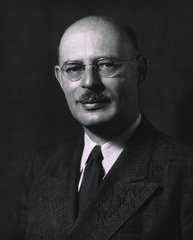
One thing that is very important to me is that I create a nurturing, community-centered classroom environment where all students feel safe and valued. According to Dreikurs, this kind of environment can be achieved with a clear social vision, which must have high expectations, high levels of encouragement, and a requirement that all people are responsible for the wellbeing of others. I wanted to incorporate these ideas in my classroom management system because education is often very individual-focused. I want my students to learn how to collaborate and support each other, because these are important life skills, and because they will all benefit from teaching and learning from each other more than they would from just listening to me.