Explanation of Procedures
At the start of every morning, I will draw five stars at the top of the white board. I’ll remind students of the general class rules at the beginning of the day, and before a transition, tell students what those rules look like in the specific context they are switching to. For example, if the rule says to treat your materials and your classroom with care, in a math lesson that could look like only using your ruler to measure things and cleaning up your space when you are done.
If the whole class is on task and following the expectations that were outlined, then they can earn another star. When I award a star, I will make a comment about a particular behavior I am happy to see. Throughout the day, the class can earn up to ten total stars on the board. However, if multiple students are not on task, or the class is struggling to maintain positive behaviors, then a star can be taken away. I will give the class two warnings before I take a star away, and I will do this with a specific explanation and a reminder of the rules and expectations.
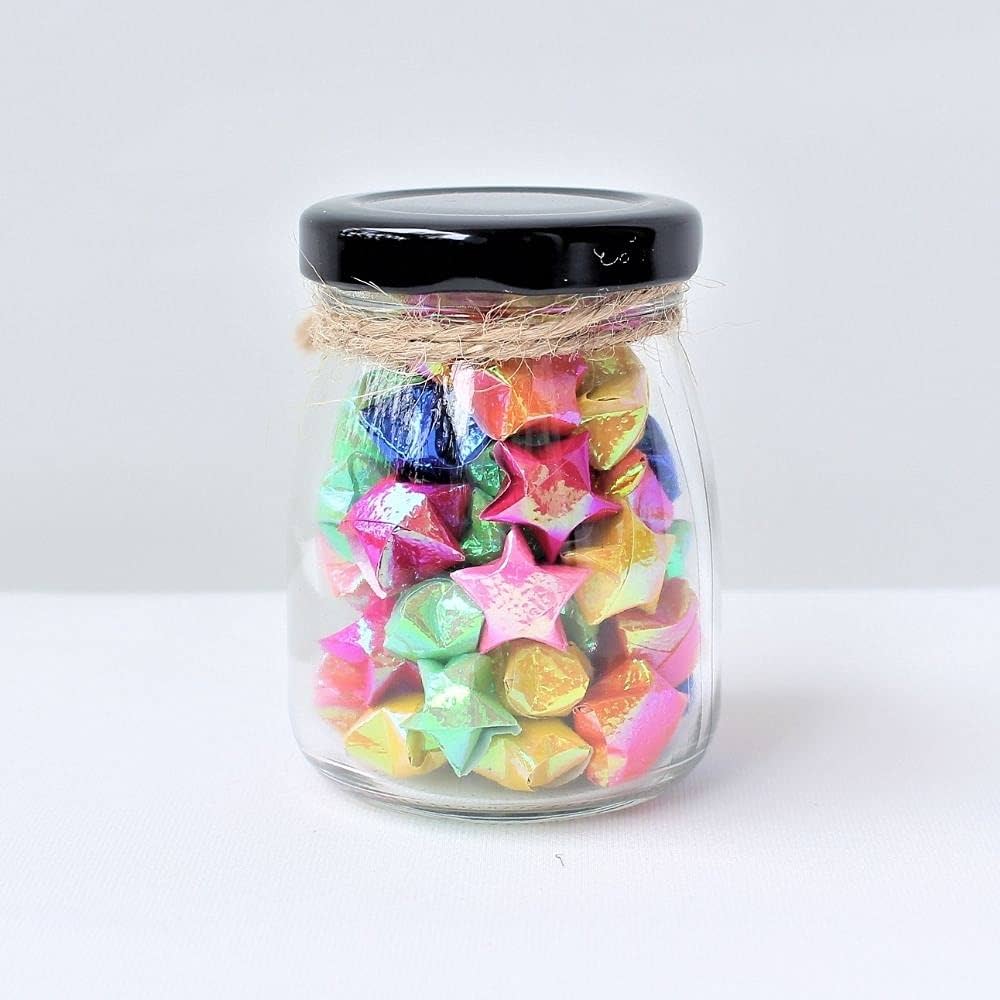
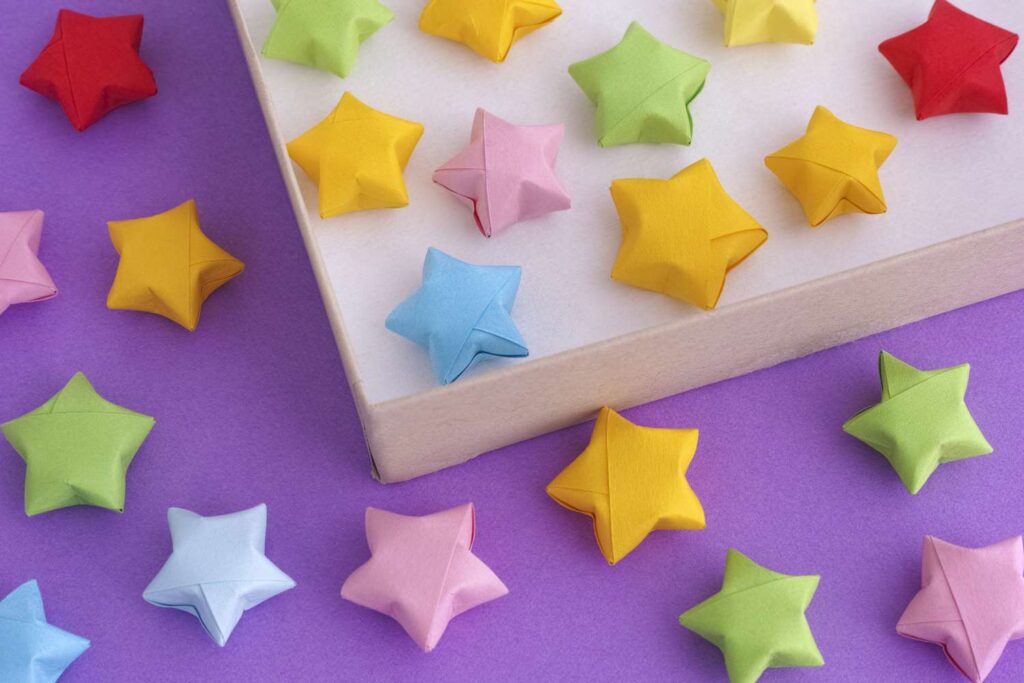
At the end of the day, the number of stars on the board is the number of stars that will be added to the Star Jar. The jar will have lines marked across it. Once the stars reach a line, the class can earn a prize, starting with small objects from the treasure box or extra free time and ending with a class ice cream party at the end of the year.
Students will also receive a small slip of paper at the end of every day. On the paper, they will write one thing they are proud of that day (glow), and one thing they want to improve next time (grow). These glow and grow slips will be turned in privately, and I will review them later to make extra notes as needed about specific behaviors that I saw that day. I would keep them as reminders and data for parent-teacher conferences. I think that this could also help students develop their sense of self-awareness and control, as well as intrinsic motivation.
At the end of every week, we will have a star student. The student will be allowed to bring in something from home to tell the class about, and during the next week, they will be allowed to sit in a “teacher chair”, until it is the next star student’s turn.
If there are one or two students in particular who are struggling to follow rules and expectations, they will be pulled aside privately to have a conversation about their behavior.
Grade Level
I think that this system would work best for third or fourth grade students. At this developmental stage, students are likely to be less egocentric, and this system will encourage them to further develop their collaboration and communication skills. Kids at this age also have better problem-solving skills, and this system would allow them the opportunity to use those skills through self-correction. Further, because of the logic and reasoning skills that students at this age have, I think that providing incentives that aren’t as immediate would still be enough to motivate students to demonstrate positive behaviors.
Explaining to Students
I would introduce this system to students by emphasizing that while they are all amazing students individually, everyone has strengths and challenges. I would tell them that they should use their strengths to set a good example for classmates, and to help others who are struggling, because we all benefit when we help each other out. I would also remind students that it’s okay to struggle. I would tell students that I want them all to be successful, and that we have class rules and expectations to help us succeed. I would explain that the stars on the board are earned or taken away based on how the whole class is doing, which is why it’s so important to help each other follow the rules. I would tell students that I would always give them reminders throughout the day, and that they should do a self-check when I give these reminders so that they can earn a star.
To introduce the glow and grow slips to students, I would tell them that we can learn a lot by reflecting on things. I would explain that at the end of every day, they can write down anything they are proud of, no matter how big or small. Then I would explain that they should think about something they would like to do better next time. I would tell students that this could be anything, but that they should set a small goal to reach the next day.
Term Definitions
- “On task” = Following directions, completing work
- “Positive behaviors” = Behaviors outlined by rules and expectations (ex. active listening, kind words, helpfulness, taking care of space)
- “Off task” = Getting distracted frequently or distracting others, not engaging, not actively listening
Student Responsibility
Students have a responsibility to monitor themselves to make sure that they are following class rules. They also need to keep their grow goals in mind during the day. Students are also partly responsible for the whole class, in that they should try to help each other when someone is struggling or not following the rules. They will be very active participants in this plan, because I am giving them control over their own behavior. The students have the choice to follow the rules, and it’s entirely up to them if they want to earn stars. I will provide support through reminders and incentives, but students play a big part in making good choices.
Materials
For this system, I will need lots of origami stars. At the beginning of the year, I may teach students how to make them so that they feel more involved in this system and so that we can create all the stars we will need for the year at once. I will also need a large glass jar, and a paint pen to mark lines on it. I’ll also need a treasure box with prizes, like fun pencils and erasers, fidgets, and puzzles. I will also need small slips of paper for students to write their glow and grow reflections on.